お前ら、トイレ流すとき何の水使ってるか考えたことある? 普通は水道水だよな。でも香港では人口の85%がトイレを海水で流してるんだわ。真水が貴重すぎて、飲み水用と海水用の配管を完全に分けた「二重給水システム」を都市まるごと導入してるんよ。日本だと蛇口ひねれば水が出るのが当たり前だけど、世界にはこういう力技で水問題を解決してる都市もあるんだな。Redditの r/todayilearned でこの話がバズってたから、海外ニキたちの反応を見ていこうや。
Redditの見出しとか"事実系"の話、もっとこのタイトルみたいにちゃんと日付入れといてほしいわ! これマジ!
原文を見る
More headlines/facts on Reddit need to be dated like the title here! Fact!
✍️ 管理人: ぐう正論すぎて草。Redditの TIL(今日知った)スレって、ソースが何十年も前のデータだったりすることザラにあるんよな。日本のまとめサイトでもよく「衝撃の事実!」とか煽っておいて出典が2005年とかあるやろ。ちなみにこの2015年のデータ、最新の香港水務署の報告だと現在もほぼ同じ割合で海水洗浄が維持されてるらしいから、今回に関しては古くても事実は変わってないっぽいけどな。情報リテラシー大事やで。
そうそう。あれ、世界でも最大級の海水トイレ洗浄システムのひとつなんだよ。香港は昔から水不足に悩まされてきたから、真水を節約するためにトイレの水だけ海水にしたってわけ。いわゆる「二重給水システム」で、飲み水用と海水用の配管を完全に別で通してる。
海水を使うことで淡水の貯水池への負担が減るのがデカい。とはいえ海水は腐食しやすいから、メンテはそのぶん面倒で配管も専用設計。
あと、海水で流すからって下水処理が不要になるわけじゃない。流したあとは普通に下水道に入って、家庭排水と一緒に処理場で処理される。海水で流しても下水処理は普通に必要。ただ、そのぶん真水を節約できるって話。
原文を見る
Yep. It’s one of the largest-scale seawater flushing systems in the world. Hong Kong has a long history of water scarcity issues, so they innovated by using seawater for toilet flushing to conserve fresh water. This system, known as a dual water supply, channels seawater separately from potable water, and it’s carefully treated so it’s safe for plumbing but not for drinking
Using seawater reduces the strain on freshwater reservoirs, which is crucial because Hong Kong gets only a limited amount of rain annually. Maintenance is more complex because seawater is corrosive, so pipes and fixtures are specially designed.
Flushing with seawater doesn’t eliminate the need for sewage treatment. After flushing, the used seawater joins the sewage system, which carries both seawater and domestic wastewater to treatment plants. They’re mixed together and treated as regular sewage. Hong Kong’s dual-pipe system only separates incoming water (AKA freshwater for drinking/cooking, and seawater for flushing). Once toilets are flushed, the seawater carries human waste into the same sewage network as domestic wastewater (kitchen, bathroom, etc.). At the sewage treatment plants, all wastewater (regardless of origin) is treated together using standard processes (primary, secondary, tertiary, and disinfection). So, there’s no separate treatment stream for flushed seawater. Basically, flushing with seawater doesn’t eliminate the need for sewage treatment… it just saves freshwater
✍️ 管理人: 有能ニキの解説きたわ。この「二重給水システム」って1950年代から段階的に導入されてるんよな。香港は面積が東京23区の約2倍しかないのに700万人以上が住んでるから、水資源がマジで死活問題なんよ。日本は年間降水量が世界平均の約2倍あるし、ダムや浄水場のインフラも整ってるから実感わかないけど、香港は淡水の約7〜8割を中国本土の東江から輸入してる状態。都市まるごと配管を二系統にするって、コスト考えたらとんでもない話だけど、それくらい切実ってことなんだな。
塩水って、配管にはめちゃくちゃ悪くない?
追記: 1分もしないうちに3人が3人とも、記事のまったく同じ箇所を引用してきましたw
その……次からはちゃんと読んでからコメントしますw
原文を見る
Isn't saltwater like super bad for pipes?
Edit: within a minute from each other 3 people quoted the same section of the article explaining what's going on.
So uhm… i'll read next time before commenting
✍️ 管理人: 記事読まずにコメントして秒で論破されるの、Redditあるあるすぎて草。日本のヤフコメでも見出しだけ読んでトンチンカンなこと書いてるやつおるよな。まあでもこの疑問自体はもっともで、実際に海水用の配管にはPVC(塩化ビニル)とか耐腐食性の素材が使われてるらしい。日本だと水道管は鋳鉄やステンレスが主流だけど、海水相手だとそれじゃ数年で穴開くからな。素直に「次からちゃんと読む」って言えるの好感持てるわ。
一方、テキサス州の海沿いの町コーパスクリスティは、真水の供給が尽きかねないって何年も前から分かってたのに、ほぼ何もしなかった。しかも最悪なのが、新しい産業を町に呼び込むために「毎年何百万ガロンもの真水を供給できます」と企業に約束し続けてたこと。で、今やガチであと数か月で真水が尽きる寸前。
原文を見る
Meanwhile Corpus Christi, a coastal town in Texas, has known for years that their fresh water supply was in danger of running out and did virtually nothing. Even worse! They continued promising companies they could deliver millions of gallons of fresh water every year in order to attract new industries to town. Now they’re literally months away from running out of fresh water.
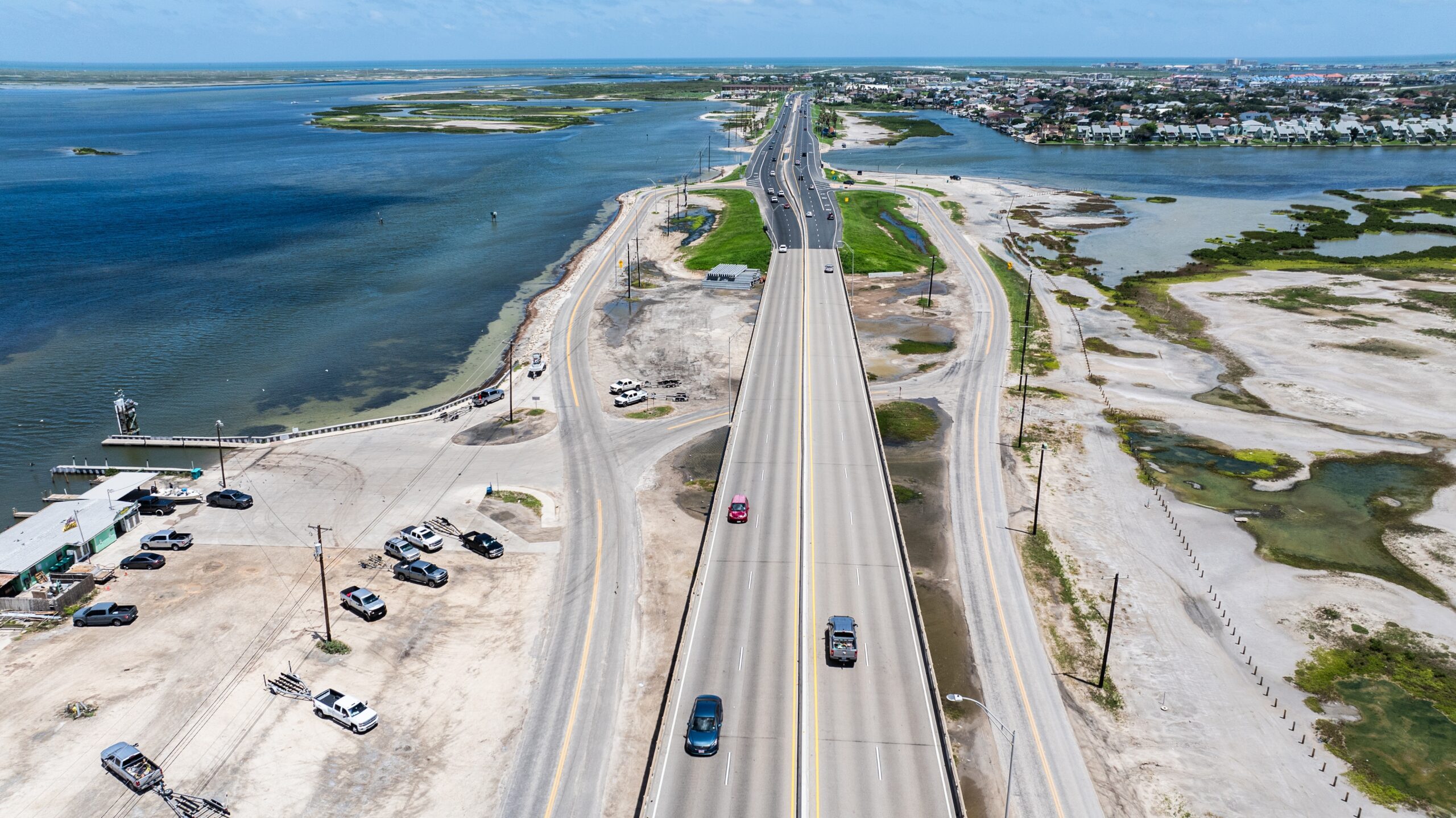
✍️ 管理人: これマジ? コーパスクリスティってメキシコ湾に面した人口30万くらいの都市なんだけど、海のそばにいながら海水淡水化もロクに進めてなかったんかい。香港が1950年代から対策してるのと比べるとえぐい差やな。日本でも渇水って定期的にニュースになるけど、四国の早明浦ダムとか毎年のようにヒヤヒヤしてるやろ。ただ日本の場合は節水と取水制限でなんとか乗り切ってきた歴史がある。「水がなくなるかも」って分かってるのに企業誘致で大盤振る舞いするの、さすがにアメリカのスケールのデカさを感じるわ。
ちなみに、これってTOTOのウォシュレットがサビのせいで爆速で修理サイクルに入るって意味ですw 経験者は語る。
原文を見る
FYI: this means that Toto bidets have a very fast repair cycle because of rust. Speaking from experience.
✍️ 管理人: TOTOが海水と戦ってるの想像したら草。日本が誇るウォシュレット、海水環境だとノズルとか内部パーツが塩分でやられるんやろな。TOTOって実は海外展開もかなりやってて、香港にもショールームあるんだけど、海水洗浄環境向けの特別仕様とかあるんやろか。日本だと「トイレは軟水の水道水で流す」が大前提で設計されてるから、海水で使うとか完全に想定外よな。個人的にはウォシュレットなしの生活はもう無理だから、香港住んだらメンテ費用やばそうで怖いわ。
勘違いだったら悪いけど、自分にはこれ、「香港の人口の85%が海水を使える地域まで整備されていて、しかも切り替えは任意」って意味に読める。つまり、「もう85%が実際に使ってる」って話ではないよね。
> 2015年、水務署(WSD)は海水供給の対象範囲を香港人口の約85%まで広げることに成功した。今後は東涌まで海水供給ネットワークをさらに延伸する予定である。
原文を見る
I could be wrong, but the way I read this is saying it’s available to 85% of Hong Kong’s population, and is an optional conversion. Not that 85% use it already:
> In 2015, the WSD successfully expanded Hong Kong’s seawater supply coverage to about 85% of the population. At present, seawater is available to buildings in Northwest New Territories (including Tuen Mun East, Hung Shui Kiu, Tin Shui Wai and Yuen Long Town Centre) and Pok Fu Lam for flushing. We will further extend the seawater supply network to Tung Chung.
✍️ 管理人: お、細かいとこ突っ込むやん。確かに「85%がカバーされてる」と「85%が実際に使ってる」は別の話やな。日本で例えるなら「光回線の提供エリアが人口の99%」と「実際に光回線を使ってる世帯の割合」が全然違うのと同じやろ。ただ香港の場合、海水洗浄が使えるエリアの建物は基本的にデフォルトで海水配管に接続されてるから、カバー率≒実利用率にかなり近いらしい。こういうデータの読み方を指摘できるの、リテラシー高くて好き。
香港民のワイ、トイレ流すのに海水使うのって普通じゃないって今日初めて知って草
原文を見る
As a hongkonger, TIL using seawater for flushing toilets is not a norm.
✍️ 管理人: これが一番おもろいwww 生まれた時からそれが当たり前だと、逆に気づかないんだよな。日本人が「水道水そのまま飲める」のが世界的にはレアだって知った時の衝撃と同じやつや。ちなみに水道水がそのまま飲める国って世界で十数カ国しかないって言われてるからな。「自分の国の当たり前は世界の当たり前じゃない」を地で行くコメントで最高すぎる。個人的にはこういう「現地民が逆にびっくり」系のリアクション大好きだわ。
💭 管理人の感想
いやー、香港の海水トイレシステム、調べれば調べるほど面白いわ。1950年代から始まって、都市まるごと配管を二重にするっていう壮大なプロジェクト、しかもそれが70年以上ちゃんと機能してるのがすごい。日本は水資源に恵まれてるから実感わかないけど、世界の水事情って本当にシビアなんよな。国連のデータだと2025年時点で世界人口の約半数が水ストレス地域に住んでるって言われてて、香港みたいな工夫は今後もっと注目されると思う。テキサスのコーパスクリスティの話とか聞くと、「問題を先送りにするとこうなる」って教訓でもあるよな。あと個人的に刺さったのが、香港民が「え、これ普通じゃないの?」って驚いてたやつ。日本人も水道水飲めること、ウォシュレットがあること、コンビニが24時間やってること、全部「当たり前」だと思ってるけど世界から見たら超レアだからな。みんなは自分の国の「当たり前だけど実は世界的にはすごいこと」って何か思いつく? コメントで教えてくれや。
📖 この記事のチャンク〜英語フレーズを覚えよう〜
“did virtually nothing”
🔊 読み方: ディド ヴァーチュアリー ナッシング
🇯🇵 意味: 実質的に何もしなかった(やるべきことがあったのに、ほぼ何もしなかったことを非難するニュアンス)
💡 問題を認識していたのに行動しなかった人や組織を批判する場面で使う。例:'The government knew about the issue for years and did virtually nothing.'(政府は何年も問題を知っていたのに実質何もしなかった)
🌍 他の言語では?
🇩🇪 ドイツ語: hat so gut wie nichts getan (ハット ゾー グート ヴィー ニヒツ ゲターン)
→ 「so gut wie」が「virtually」に相当し、ドイツ語の日常会話で非常によく使われる表現。
🇫🇷 フランス語: n'a pratiquement rien fait (ナ プラティクモン リアン フェ)
→ 「pratiquement rien」で「ほぼゼロ」を表す定番のフランス語口語表現。
🇰🇷 韓国語: 한 게 거의 없다 (ハン ゲ コイ オプタ)
→ 韓国語の日常会話で不満や批判を込めて「やったことがほぼない」と言うときの自然な言い回し。
🇪🇸 スペイン語: no hizo prácticamente nada (ノ イソ プラクティカメンテ ナダ)
→ スペイン語圏で怠慢や無策を批判するときに広く使われるカジュアルな表現。
※翻訳は意訳を含みます。正確な表現は原文リンクからご確認ください。
※引用元: r/todayilearned
コメント
香港の民が「海水トイレ?普通だけど?」って顔してるの想像したら草www 都市まるごと発想が力技すぎて天才かよwww
俺の若い頃はな、トイレの水まで何で流すかなんて考えもしなかったぞ、、蛇口ひねれば出るのが当たり前だと思ってたからな。香港みたいに海水と真水を分けて70年も回してるのは、なかなかの知恵と根性じゃないかな。最近の若いもんの言うサステナブル?ってやつ、昔の工夫の延長線上なのかもしれんな。
This reminds me of when I first came to Japan and realised how much daily life depends on little bits of infrastructure you never think about until someone points them out. Just yesterday at my local konbini, I was filling up my water bottle and thinking how casually we treat clean fresh water as if it’s endless. Hong Kong using seawater for toilets sounds wild at first, but honestly it’s a brilliant bit of practical thinking. If you’ve got limited freshwater, why waste it on flushing? I reckon the most fascinating part is that people there grew up seeing it as completely normal. That’s always the way, isn’t it? The systems around us feel invisible until we compare notes with the rest of the world. In Japan too, things like drinkable tap water, clean public toilets, and reliable plumbing are easy to take for granted. Stories like this are a good reminder that smart cities are often built on clever, unglamorous ideas.
Als Austauschstudent hier in Tokio fällt mir auf, wie schnell man Dinge als selbstverständlich hinnimmt, nur weil sie im Alltag einfach funktionieren. In Deutschland habe ich nie darüber nachgedacht, womit eine Toilette gespült wird – Wasser war halt einfach da. Hier in Japan achte ich viel bewusster auf solche Infrastruktur, weil meine japanischen Kommilitonen oft total selbstverständlich über Erdbebenschutz, Wassersparen oder Notfallpläne reden. Das erinnert mich an einen Vorfall letzte Woche in der Uni, als wir im Seminar darüber gesprochen haben, wie Städte sich an knappe Ressourcen anpassen. Da meinte jemand, gute Infrastruktur sei oft gerade dann unsichtbar, wenn sie funktioniert. Genau das ist für mich der spannende Punkt an Hongkong: nicht nur die Technik, sondern dass eine ganze Stadt gelernt hat, mit ihrer Realität pragmatisch umzugehen. Irgendwie zeigt das auch, dass „normal“ einfach extrem vom Ort abhängt.
En tant que voyageur au Japon, je peux témoigner que ce genre de détail sur l’eau me fascine toujours, parce qu’on ne réalise souvent la valeur d’une ressource que lorsqu’elle manque. Ce qui me frappe ici, c’est cette idée très hongkongaise, presque brutale mais brillante : ne pas attendre une solution parfaite, et construire carrément une ville à deux circuits. Hier encore, dans mon quartier de Shimokitazawa, je voyais des passants remplir tranquillement leurs gourdes à la gare, comme si l’eau propre allait de soi. Au Japon aussi, on vit entouré de petits conforts invisibles, et on oublie qu’ils reposent sur des choix techniques, historiques, parfois très fragiles. L’histoire des toilettes à l’eau de mer me rappelle que le quotidien d’une ville raconte souvent plus sur son génie que ses grands discours. Ce n’est pas glamour, mais c’est peut-être ça, la vraie intelligence urbaine.